
The digital economy in Africa has grown significantly over the last decade. More people are now creating and selling digital products such as ebooks, online courses, training materials, memberships, templates, and consulting services. In the middle of this transformation, one platform has become a household name among digital entrepreneurs: Selar.
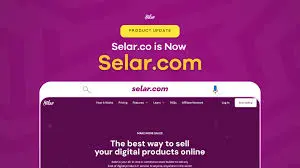
Many people, especially new creators and business owners, often ask one important question: When was Selar launched?
Table of Contents
The answer is simple: Selar was launched in 2016 by Nigerian entrepreneur Douglas Kendyson. However, the story behind Selar is much bigger than just its launch date. It represents a shift in how Africans sell knowledge, build businesses online, and receive payments globally.
In this article, we will explore the history of Selar, why it was created, how it grew, the features that made it popular, and why it remains relevant for creators today.
When Was Selar Launched?
Selar officially launched in 2016 with the mission of helping creators and entrepreneurs across Africa sell products online more easily.
Before platforms like Selar became popular, many African creators struggled with several challenges:
- Difficulty receiving payments from international customers
- Expensive website setup costs
- Technical barriers in creating online stores
- Limited access to tools designed for digital product sales
- Complex integrations required for online business
Many people had valuable skills and digital products but lacked the right platform to monetize them effectively.
Douglas Kendyson saw this problem and built Selar as a solution—a platform where creators could quickly upload products, receive payments, and start selling online without needing advanced technical skills.
Who Founded Selar?
Selar was founded by Douglas Kendyson, a Nigerian entrepreneur passionate about empowering creators and small business owners.
His goal was not just to create another e-commerce platform but to build a creator-focused ecosystem specifically designed for people selling knowledge, digital products, and services.
Unlike traditional e-commerce platforms that focused mainly on physical products, Selar targeted:
- Educators
- Coaches
- Content creators
- Freelancers
- Authors
- Consultants
- Trainers
- Service providers
- Small business owners
This creator-first approach helped Selar stand out in the market.
Why Was Selar Created?
To understand why Selar became important, it is necessary to understand the problem it solved.
1. Payment Challenges in Africa
One of the biggest struggles for African creators was receiving payments from customers abroad.
Many international payment processors had restrictions or complicated onboarding processes for African countries. Some creators had excellent products but could not monetize them because payment collection was difficult.
Selar simplified this by enabling creators to receive payments through multiple channels.
This gave entrepreneurs confidence that they could sell to customers beyond their local communities.
Check out:
PayPal Availability Nigeria 2026: What You Need to Know
2. Technical Complexity
Building an online store used to require:
- Buying hosting
- Designing a website
- Setting up payment gateways
- Managing plugins
- Configuring checkout systems
For many creators, especially beginners, this process was overwhelming.
Selar changed the game by offering an all-in-one platform where creators could create a store and start selling quickly.
3. The Rise of Digital Products
As internet access improved, more people began selling:
- Ebooks
- Online courses
- Paid webinars
- Coaching sessions
- Educational materials
- Templates and resources
The market for digital knowledge products expanded rapidly, creating a need for dedicated platforms like Selar.
What Can You Sell on Selar?
One reason Selar became successful is its flexibility.
Users can sell many types of products, including:
Digital Products
Creators commonly sell:
- Ebooks
- PDFs
- Design templates
- Audio files
- Software tools
- Educational materials
- Study resources
For example, a tutor can upload a mathematics handbook or exam preparation material and begin selling immediately.
Online Courses
Teachers, trainers, and experts can create and sell online classes.
This became especially popular after 2020 when online education gained momentum.
Many Nigerian entrepreneurs now teach:
- Digital marketing
- Web design
- Data analysis
- Programming
- Forex education
- Business growth strategies
Memberships and Subscriptions
Selar allows creators to build recurring revenue models.
Instead of selling one product once, creators can charge monthly or yearly subscription fees.
This is useful for:
- Premium communities
- Coaching programs
- Paid newsletters
- Exclusive content platforms
Event Tickets
Organizers can sell access to:
- Seminars
- Training sessions
- Workshops
- Conferences
- Online webinars
Services
Freelancers and consultants can also use Selar to sell services such as:
- Graphic design
- Website development
- Consulting
- Coaching sessions
- Marketing services
Why Did Selar Become Popular?
Although Selar launched in 2016, many people became aware of it between 2020 and 2021.
Several reasons contributed to this rapid growth.
1. The COVID-19 Pandemic Increased Online Business
During the pandemic, many physical businesses shut down temporarily.
People began searching for ways to make money online.
Creators who previously taught in physical classrooms moved online and started selling courses and training programs.
Selar became one of the platforms helping people transition into digital entrepreneurship.
2. Growth of the Creator Economy
The creator economy refers to people making money from their skills, expertise, and content.
Examples include:
- Teachers selling lessons
- Authors selling ebooks
- Influencers selling guides
- Coaches offering mentorship programs
As more Africans embraced the creator economy, Selar benefited from the trend.
3. Simplicity and Ease of Use
Many users appreciated Selar because it reduced technical headaches.
Instead of building a website from scratch, users could:
- Create an account
- Upload a product
- Set pricing
- Share a payment link
- Start selling
This simplicity encouraged adoption.
Key Features That Helped Selar Grow
Secure Payment Processing
A major reason creators trust Selar is payment processing.
Customers can pay conveniently while creators receive earnings without complicated processes.
Affiliate Marketing System
Selar offers an affiliate feature where others can promote products and earn commissions.
This helps sellers expand their reach and increase sales.
Email Marketing Features
Creators can communicate directly with buyers, helping them build relationships and repeat sales.
Analytics and Insights
Sellers can monitor:
- Sales performance
- Customer behavior
- Revenue growth
- Product performance
These insights help improve marketing and business decisions.
Global Reach
Creators are not limited to their local market.
Someone in Nigeria can sell to buyers in:
- The United States
- The United Kingdom
- Canada
- South Africa
- Ghana
- Kenya
- Other parts of the world
Selar’s Impact on African Entrepreneurship
Selar has played a major role in empowering African entrepreneurs.
Before platforms like Selar, many people believed they needed a physical shop to make money.
Today, someone can create an ebook or online training from their laptop and generate income globally.
Thousands of creators have built businesses around:
- Education
- Skill acquisition
- Career development
- Personal finance
- Business coaching
- Tech training
This has contributed to the rise of digital entrepreneurship across Africa.
Challenges and Competition
Like every growing company, Selar faces competition.
Other platforms in the digital commerce space include:
- Gumroad
- Payhip
- Teachable
- Kajabi
However, Selar’s local understanding of African creators and payment challenges has helped it maintain relevance.
Its creator-focused model gives it an advantage among African entrepreneurs.
Is Selar Still Relevant Today?
Yes, Selar remains highly relevant.
As more people continue learning online and selling digital products, platforms that simplify online business remain important.
For creators who want a simple system to launch products without technical stress, Selar is still one of the most accessible platforms available.
Final Thoughts
So, when was Selar launched?
Selar officially launched in 2016, but its influence grew massively in the years that followed.
What started as a platform to simplify digital selling has evolved into a major ecosystem for creators, entrepreneurs, and educators across Africa.
Its success story reflects a bigger movement—the rise of African digital entrepreneurship.
For creators looking to monetize their skills, knowledge, and products online, Selar represents an example of how technology can remove barriers and create opportunities.
As Africa’s digital economy continues to expand, platforms like Selar will likely remain an important part of how creators build sustainable online businesses.