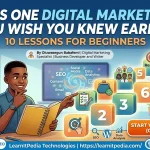
Choosing the right digital marketing course can feel overwhelming. With dozens of platforms, countless specializations, and varying price points, how do you pinpoint the program that aligns with your career goals, learning style, and budget? This comprehensive guide compares the leading digital marketing courses available today, outlines what makes each one stand out, and provides actionable tips for making an informed decision. Whether you are a complete beginner, a seasoned marketer looking to upskill, or a business owner aiming to enhance your team’s expertise, you will find everything you need to select the best digital marketing course in 2026.

Table of Contents
Why Selecting the Right Course Matters
Enrolling in a digital marketing program is an investment of both time and money. A well‑structured course not only teaches you essential concepts like SEO, content strategy, paid advertising, and analytics, but also offers practical experience through real‑world projects and mentorship. Conversely, a poorly designed curriculum can leave you with gaps in knowledge, limited networking opportunities, and a questionable credential. The stakes are high, which is why we have built this guide to help you cut through the noise and focus on programs that deliver measurable value.
Key Criteria to Evaluate a Digital Marketing Course
Before diving into the detailed comparisons, it’s important to understand what factors differentiate a great course from an average one. Consider the following checklist:
- Curriculum Depth: Does the program cover the core pillars of digital marketing, including SEO, SEM, SMM, email marketing, content marketing, and analytics? Look for courses that also include emerging topics like marketing automation, AI‑driven tools, and voice search.
- Flexibility and Format: On‑campus versus online, live sessions versus on‑demand videos, and the ability to access materials offline can all impact your learning experience.
- Industry Recognition: Certifications from reputable institutions (e.g., Google, Coursera, HubSpot) carry more weight with employers.
- Pricing and ROI: Compare tuition fees, payment plans, and the potential return on investment through salary increases or client rates.
- Support and Community: Access to instructors, peer forums, career services, and alumni networks can accelerate your learning.
Using these criteria, we have curated a comparison table that highlights the top digital marketing courses available today.
READ: Best Online IT School In Nigeria – Learnitpedia Technologies
Top Digital Marketing Courses Compared
| Course | Platform | Duration | Cost | Certificate | Core Curriculum | Live Sessions |
|---|---|---|---|---|---|---|
| Digital Marketing Specialization (Coursera) | Coursera (University of London) | 6 months (4 courses, self‑paced) | ~US$ 399 (chargeable audit options) | Google‑recognized Certificate | SEO, SEM, SMM, Content Marketing, Email, Analytics, Mobile Marketing, Social Media Advertising | Weekly live Q&A sessions, peer‑graded assignments |
| Google Digital Marketing & E-commerce Certificate | Google (initially through Google Academy) | 3‑6 months (flexible) | ~US$ 0‑50 (exam fee for certificate) | Google Certificate | Foundations of digital marketing, Search, Display, Social, Video, Mobile, Analytics, E‑commerce, Mobile app marketing | Online discussion forums, no mandatory live classes |
| Digital Marketing Master Course (Edureka) | Edureka (online live instructor‑led) | 80 hours (4‑6 weeks) | ~US$ 1,200 (early bird) | Edureka Certificate + AI‑ML integration module | SEO, SEM, SMM, Email Marketing, Content Marketing, Marketing Automation, Google Analytics, Social Media Advertising, Conversion Rate Optimization | 12 live sessions with industry experts, recordings available |
| The Complete Digital Marketing Course (Udemy) | Udemy (self‑paced) | 58 hours (lifetime access) | ~US$ 20 (frequent discounts) | Udemy Certificate of Completion | SEO, Google Analytics, Social Media Marketing, Email Marketing, Content Marketing, PPC, Affiliate Marketing, Marketing Automation, Local SEO | Lifetime access to recorded videos, optional Q&A with instructor |
| HubSpot Inbound Marketing Certificate | HubSpot (free & paid tracks) | Self‑paced (Free) / 8 weeks (Paid) | Free (Paid Track ~US$ 720) | HubSpot Certificate (Free) or Professional Certificate (Paid) | Inbound methodology, SEO, Content Marketing, Email Marketing, Social Media, Paid Marketing, Analytics, Lead Generation, Customer Service | Live webinars (Paid), community Q&A,mentor sessions |
| Digital Marketing Specialist Program (Simplilearn) | Simplilearn (online) | 6 months (part‑time) | ~US$ 1,500 (incl. exam fee) | Simplilearn Certificate + ACE® credit | SEO, SEM, Email Marketing, Social Media, Analytics, Content Marketing, Marketing Automation, Marketing Strategy, PMP® integration | Weekly live sessions, job assistance |
The table above gives you a snapshot of the leading options. Below, we explore each program in depth, highlighting strengths, ideal learner profiles, and practical takeaways.
Deep Dive Into the Best Digital Marketing Courses
1. Digital Marketing Specialization – Coursera
The Coursera specialization, offered in partnership with the University of London, is highly regarded for its academic rigor and comprehensive curriculum. The program consists of four courses that progressively build expertise, from foundations to advanced tactics. You’ll explore topics such as conversion rate optimization, attribution modeling, and cross‑platform integration.
Key Features:
- Immersive video lectures with real‑world case studies.
- Peer‑graded assignments that simulate agency projects.
- Optional weekly live Q&A sessions with instructors.
Many learners appreciate the Coursera community forums, where you can discuss strategies and get feedback on campaigns. If you desire a credential that holds weight with multinational corporations, this specialization is a strong contender.
2. Google Digital Marketing & E-commerce Certificate – Google
Google’s certificate is essentially a free, industry‑standard introduction to digital marketing. It was designed by Google employees who are experts in search, display, and social advertising. The program includes hands‑on labs using Google Ads, Google Analytics, and Google Tag Manager.
Why Choose It:
- Zero or minimal cost – great for budget‑conscious learners.
- Immediate applicability: you can start managing campaigns for clients or your own business right after completion.
- Recognized by employers worldwide as a baseline digital marketing competency.
For those just starting their marketing journey, this program provides a solid foundation without breaking the bank. The only small drawback is that advanced topics like marketing automation are not covered.
3. Digital Marketing Master Course – Edureka
Edureka’s master course stands out because it integrates modern technologies like AI and marketing automation into its core curriculum. The course is delivered via live instructor‑led sessions, which means you interact in real time and can ask questions instantly.
Highlights:
- Access to exclusive tools such as SEMrush, Ahrefs, and Mailchimp.
- Project‑based learning: you’ll create a full digital marketing plan for a hypothetical brand.
- Career support, including resume building and interview coaching.
If you prefer a teacher‑led environment and want to learn the latest AI‑driven marketing tools, Edureka’s course is worth considering. The higher price point reflects the premium support and extensive resources provided.
4. The Complete Digital Marketing Course – Udemy
Udemy’s program is a one‑stop shop for anyone who wants lifetime access to digital marketing knowledge. It contains over 58 hours of video content, downloadable resources, and quizzes. The course is regularly updated to reflect platform changes (e.g., new Instagram algorithm updates, LinkedIn Ads modifications).
Selling Points:
- One‑time payment with frequent discounts (often as low as $20).
- Lifetime access ensures you stay current with updates at no extra cost.
- Certificate of completion, though not industry‑recognized, still demonstrates competence to small businesses.
The main drawback is the lack of live interaction, which may be a problem for learners who thrive in collaborative settings. However, the extensive resource library makes it an excellent backup or supplementary option.
5. HubSpot Inbound Marketing Certificate – HubSpot Academy
HubSpot Academy is synonymous with inbound marketing. Its free certificate covers the ecosystem of HubSpot’s tools, as well as broader concepts like SEO, content strategy, and email marketing. The paid professional certificate adds deeper modules on paid advertising and analytics.
What to Expect:
- Interactive simulations using actual HubSpot software.
- Comprehensive templates for content planning, email sequences, and funnels.
- Recognition by many mid‑size companies that heavily rely on HubSpot.
HubSpot’s certificate is especially valuable if your goal is to work within companies that use their platform or if you aim to become a HubSpot-certified consultant.
6. Digital Marketing Specialist Program – Simplilearn
Simplilearn’s program blends traditional digital marketing topics with project management methodologies (including PMP® integration). It is ideal for professionals who want to manage cross‑functional marketing teams, not just execute campaigns.
Key Benefits:
- PMI‑recognized ACE® credit.
- Job assistance and mock interview sessions.
- Access to a robust library of templates and case studies.
While the cost is higher than some alternatives, the program’s focus on strategy and project management can command a premium salary in managerial roles.
Step‑by‑Step: How to Choose the Right Course for You
Selecting a course isn’t purely about price or brand recognition. Use the following decision‑making framework to narrow down options:
- Define Your Goals. Are you aiming for a career shift, a promotion, or simply to boost your current skill set? Identify whether you need a recognized certification, deep technical knowledge, or practical experience.
- Assess Your Learning Style. If you thrive in a classroom setting, opt for live‑instructor courses (e.g., Edureka, Simplilearn). If you prefer self‑paced learning, consider Coursera’s flexible format or Udemy’s lifetime library.
- Review the Curriculum. Cross‑reference each program’s syllabus against your target roles. Look for topics like analytics, automation, and content strategy if those are essential for your goals.
- Check Accreditation and Recognition. Decide if a university‑backed certificate (Coursera) is more important than a platform‑specific badge (HubSpot). Some employers prioritize Google or HubSpot credentials; others value university‑endorsed certificates.
- Factor in Cost and ROI. Estimate the future salary increase or business impact the program could deliver. Use an ROI calculator to gauge whether a $1,500 program is justified compared to a free alternative.
- Evaluate Support. Does the course offer mentorship, career services, or a community? These resources can accelerate your learning and job placement.
Practical Tips for Getting the Most Out of Your Course
- Set a Timeline. Even if a course is self‑paced, assign weekly milestones to keep momentum. For example, allocate two hours per week for video lessons and an additional three hours for assignments.
- Apply Concepts Immediately. Choose a small project—like creating a Google My Business profile for a local restaurant—to practice SEO and local marketing tactics.
- Join Community Forums. Engaging with peers can provide insights, feedback, and networking opportunities. Many platforms host Discord servers or Facebook groups for cohort interaction.
- Use Real Tools. Supplement theoretical knowledge with actual tools like Google Analytics, Google Ads, and Mailchimp. Hands‑on experience is crucial for exam preparation and job interviews.
- Document Your Learning. Keep a blog or a portfolio website showcasing case studies, campaign results, and certificates. Potential employers love tangible proof of skill.
Practical Examples from Real Students
Consider the following scenarios that illustrate how different learners have benefited from picking the right course:
Example 1: Career Transition to Marketing Manager
Jordan, a former software developer, enrolled in the Coursera Digital Marketing Specialization. The program’s university endorsement helped Jordan secure an interview with a mid‑size e‑commerce firm. After completing the SEO and analytics modules, Jordan launched a targeted campaign that increased the client’s organic traffic by 45% within three months, impressing hiring managers and leading to a promotion.
Example 2: Small Business Owner Gaining Online Presence
Alex ran a local bakery. Instead of paying for a premium agency, Alex took the free Google Digital Marketing & E-commerce Certificate. The hands‑on lab taught Alex how to set up Google My Business, run a low‑budget Facebook ad campaign, and track results using Google Analytics. In six weeks, Alex’s website traffic grew by 60%, leading to a 20% increase in daily sales.
Example 3: Freelance Marketer Upgrading Skillset
Sam, already a freelance social media manager, needed expertise in marketing automation. Sam opted for the Edureka Digital Marketing Master Course. The integration of HubSpot and marketing automation modules allowed Sam to pitch automated email funnels to clients, resulting in recurring monthly revenue of $5,000 for the agency.
Comparison Summary Table
Below is a concise summary to help you quickly compare the top courses based on key success factors.
| Course | Best For | Price Range | Certificate Recognized By | Live Interaction | Additional Benefits |
|---|---|---|---|---|---|
| Coursera Specialization | Career‑oriented learners seeking university‑backed credentials | $399 (full access) | Universities & employers worldwide | Weekly Q&A & peer feedback | Comprehensive case studies, career services |
| Google Certificate | Beginners, budget‑conscious learners, small business owners | Free (exam $50) | Google (global recognition) | Discussion forums only | Free access to Google tools, immediate job applicability |
| Edureka Master Course | Professionals wanting AI & automation integration | $1,200 (early bird) | Edureka (industry) | 12 live sessions with experts | Career coaching, access to SEMrush, Ahrefs, Mailchimp |
| Udemy Course | Self‑learners who want lifetime resource access | $20 (discount), usually $70‑$100 | Udemy (no formal employer recognition) | Recorded videos, optional Q&A | Regular content updates, lifetime access, certificate |
| HubSpot Academy | Marketers aiming to work with HubSpot‑based companies | Free (paid track $720) | HubSpot (certified) | Live webinars (paid), community Q&A | HubSpot tool simulations, extensive templates, community support |
Frequently Asked Questions (FAQ)
Q1: What is the best digital marketing course for a complete beginner?
A: The Google Digital Marketing & E-commerce Certificate is ideal for novices. It’s free (or low‑cost for the exam), covers all foundational topics, and offers immediate hands‑on practice with Google’s tools. It also provides a globally recognized credential.
Q2: How long does it take to complete a top digital marketing course?
A: Duration varies: Coursera’s specialization typically takes 6 months if you study 2‑3 hours per week. Google’s certificate can be finished in 3‑6 months at a flexible pace. Edureka’s master course is intensive (approx. 80 hours over 4‑6 weeks). Udemy’s program is self‑paced with lifetime access.
Q3: Are there any free options that provide industry‑recognized certificates?
A: Yes. The Google Digital Marketing & E-commerce Certificate is free, and HubSpot Academy offers a free certificate. Both are well‑regarded in the industry and often accepted by employers as proof of competence.
Q4: Do the courses include practical projects or simulations?
A: Many do. Edureka and Simplilearn include real‑world projects and case studies. Coursera provides peer‑graded assignments that simulate marketing plans. HubSpot Academy offers tool‑based simulations. The Google certificate includes practical labs where you manage actual ad campaigns.
Q5: How important is the certificate’s recognition by employers?
A: Recognition greatly influences hiring decisions. University‑endorsed certificates (e.g., Coursera) and Google/HubSpot certifications are widely respected. Employers often look for specific platform certifications if they use those tools internally.
Conclusion and Call to Action
In the fast‑moving world of digital marketing, continuous learning is not optional—it’s essential. By investing time in a high‑quality digital marketing course, you equip yourself with the strategies, analytics, and creative skills needed to drive measurable results for any organization. Whether you opt for the academic rigor of Coursera, the accessibility of Google’s free certificate, the hands‑on projects of Edureka, the flexibility of Udemy, or the platform expertise of HubSpot, each path offers distinct advantages.
Next Steps: Assess your career objectives, compare the features listed above, and choose a course that aligns with your budget and learning preferences. Remember to apply what you learn quickly—run a small campaign, create a content calendar, or automate a repetitive task. The digital marketing landscape rewards those who act fast and iterate constantly.
Ready to start your learning journey? Explore the courses mentioned in this guide, read student reviews, and enroll today. For more resources on SEO, content strategy, and advanced analytics, visit our blog at Learnitpedia SEO Basics Guide. If you need personalized recommendations or have questions, reach out via the contact form on our site or join our community at Learnitpedia Community.
Take the first step toward mastering digital marketing—select the best digital marketing course for you and watch your career soar!