Nigeria’s digital economy has exploded over the past few years. Mobile internet penetration now tops 70%, and more than 50 million Nigerians shop online at least once a month. Starting an online business gives you the chance to tap this massive market without the overhead of a traditional brick‑and‑mortar store. This guide walks you through everything you need to know, from idea validation to scaling your brand, and includes practical examples you can copy today. Read How to Start My Online Business in Nigeria.

Why Start an Online Business in Nigeria?
Launching an e‑commerce venture offers several compelling advantages for entrepreneurs in Nigeria. The low entry barrier means you can begin with a modest budget, while the widespread use of mobile devices puts your products in front of millions instantly. Online stores operate 24/7, allowing customers to purchase at any hour, and you can automate many processes with tools that are now locally available.
- Lower overhead compared to physical retail spaces.
- Access to a growing base of internet‑savvy consumers.
- Ability to run the business from anywhere with a connection.
- Scalable model that can expand from local to regional markets.
Step 1: Choose Your Niche and Business Idea
The foundation of any successful online business is a clear, profitable niche. Nigeria’s most popular e‑commerce categories include fashion, beauty, home goods, digital products, and agriculture tech. Start by asking yourself: what problem can I solve for Nigerian consumers? For example, many Lagos-based entrepreneurs have turned to custom T‑shirt designs catering to local events, festivals, and corporate branding needs.
- Identify a problem or pain point you observe in daily life.
- Research competitor activity on platforms like Instagram and Facebook.
- Check Google Trends to see whether interest is rising.
- Validate demand by running a simple poll in relevant Facebook groups.
Step 2: Validate Your Idea Before Investing
Even a great idea can fail if there isn’t real demand. A quick validation method is to create a landing page or a simple Facebook ad that promotes the product you plan to sell. Track click‑through rates and inquiries. If you get at least 5% engagement, you’re likely onto something. For a deeper dive, use SurveyMonkey to ask targeted questions about price sensitivity and preferred payment methods.
Step 3: Register Your Business Officially
Legal registration builds credibility and protects your brand. In Nigeria, you’ll need to incorporate through the Corporate Affairs Commission (CAC) and obtain a tax identification number from the Federal Inland Revenue Service (FIRS). Corporate Affairs Commission (CAC) offers an online portal that streamlines filing of incorporation documents. After registration, you’ll receive a Certificate of Incorporation and a Tax Clearance Certificate, both of which are often required by payment gateways.
For further guidance, check out this step‑by‑step tutorial: Learn how to register your business online.
Step 4: Secure a Domain and Hosting
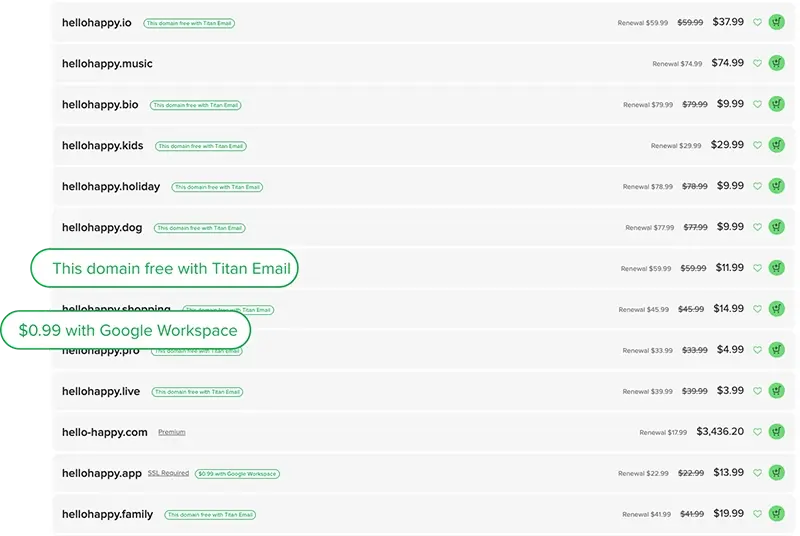
Your business website starts with a memorable domain name. Nigerians can register .ng domains directly through NIRA or via accredited resellers. For instance, a boutique fashion brand might choose “mynigeriafashion.ng”. After acquiring the domain, choose a hosting provider that offers fast load speeds across 3G and 4G networks. Local providers like iHost and BigO offer packages tailored for Nigerian e‑commerce sites.
Domain registration: NIRA – .ng Domain Registration.
Step 5: Build a Professional Website
Content management systems like WordPress make it easy to launch a shop without heavy technical knowledge. Install WordPress via your hosting control panel, select a responsive theme such as Astra or GeneratePress, and add the WooCommerce plugin to turn the site into a full‑fledged store. Remember to optimize images for mobile and integrate a secure SSL certificate.
For a quick start, explore this walkthrough: Setting up your first e‑commerce store on WordPress.
Step 6: Choose the Right Payment Gateway
Accepting payment locally requires a gateway that supports Nigerian banks, USSD, and mobile money. Paystack and Flutterwave dominate the market. Paystack boasts seamless integration with WordPress, while Flutterwave offers extensive coverage of local banks and supports one‑time passwords (OTP) for security.
Key considerations:
- Transaction fees (typically 2.5‑4%
- Settlement period (often 2‑4 business days)
- Supported currencies (NGN, USD)
Payment gateway documentation:
Paystack Documentation |
Flutterwave Developers
Step 7: Manage Inventory and Logistics
If you’re selling physical goods, decide whether you’ll handle fulfillment in‑house or outsource. For small volumes, you can store items at home or a shared warehouse and ship via DHL, UPS, or local couriers like delivery platforms. Nigeria’s e‑commerce logistics have improved dramatically, with same‑day delivery options in major cities like Lagos and Abuja.
Digital products (e‑books, software, graphics) can be delivered instantly via download links, reducing the need for inventory management.
Step 8: Kick‑Start Digital Marketing
Even the best website needs traffic. A combination of organic and paid tactics works best. Build a presence on Instagram, Facebook, and TikTok where most Nigerian shoppers spend time. Create valuable content – tutorials, unboxing videos, or style guides – to engage your audience. Email marketing remains effective when you capture leads via a simple sign‑up form.
- Social Media Marketing – daily posts, stories, and targeted ads.
- Content Marketing – blog posts optimized for keywords like “buy Nigerian perfumes online”.
- Email Marketing – weekly newsletters with product updates and special offers.
- Influencer Collaborations – partner with micro‑influencers in your niche for authentic promotion.
- Paid Advertising – Facebook Ads Manager and Google Ads for immediate traffic.
Comparison Table: Popular E‑Commerce Platforms in Nigeria
| Platform | Setup Cost | Transaction Fee | Best For |
|---|---|---|---|
| WordPress + WooCommerce | Low (hosting + domain) | 2.5‑4% + payment gateway | Full control, scalable stores |
| Shopify | Higher (monthly plan) | 2.9% + $0.30 per transaction | Quick launch, built‑in tools |
| BigCommerce | Medium | 2.95% – 5% + payment fees | Enterprise‑level features |
| Woo” (Simplified) | Low | 0% transaction (hosting included) | Beginners, low‑budget startups |
Common Pitfalls and How to Avoid Them
Many entrepreneurs stumble early on. The most frequent mistakes include ignoring tax compliance, selecting an unreliable hosting provider, and underestimating marketing costs. To sidestep these, keep a simple financial tracker, choose a hosting plan with uptime guarantees, and allocate at least 10% of your budget to digital advertising from day one.
FAQ
Q1: Do I need a physical store to sell online in Nigeria?
A: No. An online business can operate fully digitally. You may still need a local address for registration and for customers to pick up orders if you offer pickup options.
Q2: Which payment gateway is best for a startup on a tight budget?
A: Paystack offers competitive rates and easy integration, making it a solid choice for startups. Flutterwave is also cost‑effective and covers many local banks.
Q3: How long does it take to receive payments from Paystack?
A: payouts are typically processed within 2‑4 business days after a successful transaction. Settlement times may vary based on your bank.
Q4: What domain extension should I choose for my Nigerian store?
A: A .ng extension is preferred for local credibility. You can also consider .com if you plan to serve international customers.
Q5: Do I need a VAT registration for my e‑commerce business?
A: If your annual turnover exceeds the VAT threshold (currently NGN 25 million), you must register for VAT with FIRS. Early registration helps avoid penalties.
Conclusion and Call to Action
Starting an online business in Nigeria is now more achievable than ever. By following these eight steps—from niche selection through scaling your brand—you set a solid foundation for long‑term success. Remember, consistency, customer focus, and continual learning are the pillars that keep your venture growing.
Take the first actionable step today: register your business with CAC and secure a professional domain. Your future customers are waiting – make sure your brand is the one they find first. For further resources, explore our other guides on digital marketing, financing options, and logistics solutions.
Ready to launch? Start your online business today and turn your entrepreneurial dreams into reality.