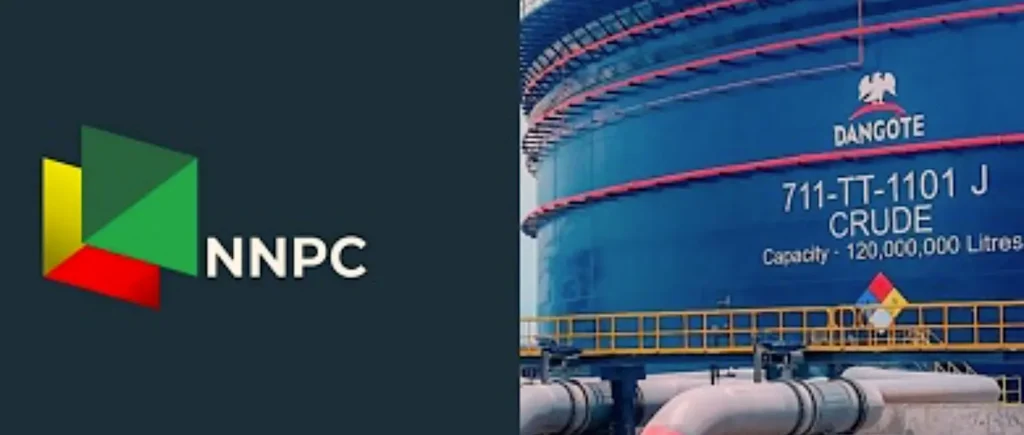
Nigeria’s energy sector is once again under major scrutiny as the dispute between NNPC and Dangote Refinery intensifies over fuel import licenses, market competition, and control of the downstream petroleum sector.
This legal and economic battle is not just about two major players—it could significantly affect fuel prices, supply stability, competition, and Nigeria’s broader economy.
What Is the NNPC and Dangote Refinery Dispute About?
The latest dispute centers on Dangote Refinery’s legal challenge against fuel import licenses issued to NNPC and other petroleum marketers in Nigeria. Dangote argues that continued fuel importation undermines local refining efforts and weakens investments in domestic petroleum production.
On the other hand, NNPC has opposed this move, arguing that restricting imports could create supply shortages, price instability, and potential monopoly risks in Nigeria’s fuel market. The company says open access to imports remains necessary to protect national energy security.
Why Dangote Refinery Is Challenging Fuel Imports
Dangote Refinery believes that Nigeria should prioritize locally refined petroleum products instead of depending heavily on imported fuel.
Its argument is based on key concerns:
1. Protecting Local Refining Investments
Dangote’s refinery is one of Africa’s largest private industrial investments, built to reduce Nigeria’s dependence on imported refined products. Continued import licenses could reduce the commercial advantage of domestic refining.
2. Strengthening Nigeria’s Energy Independence
Reducing fuel imports could help Nigeria save foreign exchange and improve self-sufficiency in petroleum refining.
3. Supporting Industrial Growth
If local refining expands, it may create stronger supply chains, jobs, and industrial opportunities.
Why NNPC Opposes Dangote’s Position
NNPC argues that allowing only local refinery dominance could be risky.
Their concerns include:
Supply Security
If one refinery becomes too dominant, any operational disruption could affect nationwide fuel availability.
Price Competition
Competition from imports may help reduce excessive price control by a single major supplier.
Market Monopoly Concerns
NNPC has argued in court filings that limiting fuel import licenses could strengthen Dangote’s market dominance.
Impact on Nigeria’s Economy
This NNPC vs Dangote Refinery dispute could affect Nigeria in several ways:
1. Fuel Prices
If imports reduce significantly, local refinery pricing could have stronger influence on petrol costs.
2. Foreign Exchange Pressure
Higher local refining capacity may reduce the need for fuel imports, helping Nigeria conserve forex.
3. Investors’ Confidence
Regulatory uncertainty around fuel licensing and refinery competition could affect investor perception of Nigeria’s energy market.
4. Downstream Competition
The outcome may shape whether Nigeria’s petroleum sector becomes more competitive or more concentrated.
Difference Between Internship and Job Applications Explained
What Happens Next?
The case is before the Federal High Court in Lagos, with NNPC, regulators, and fuel marketers all involved in the growing legal debate. The ruling could influence Nigeria’s fuel import policy, refinery competition, and long-term energy strategy.
Final Thoughts
The NNPC and Dangote Refinery dispute highlights a bigger national question: Should Nigeria fully prioritize local refining, or maintain fuel imports for competition and supply security?
Whatever the outcome, this legal battle could reshape Nigeria’s oil and gas sector, fuel pricing structure, and energy independence journey.